Learning how hotels can reduce single-use plastic is the first step toward a more responsible and operationally efficient hospitality business — one that meets guest expectations and stays ahead of EU regulations.
How Hotels Can Reduce Single-Use Plastic: A Step-by-Step Practical Guide
Understanding how hotels can reduce single-use plastic does not require radical changes
or expensive investments. What it does require is a structured approach, clear priorities,
and solutions that work in everyday operations.
This guide breaks the process down into practical steps that hotels of any size
can realistically apply — from bathrooms and breakfast service to supplier management
and guest communication.
Step 1: Map Where Single-Use Plastic Is Actually Used
The first mistake many hotels make when trying to reduce single-use plastic is assuming
where it is used the most. Before changing anything, take time to map plastic consumption
across all departments. Walk through guest rooms, bathrooms, breakfast areas,
storage rooms, and back-office spaces.
Focus on items that are single-use, automatically replaced, or rarely noticed by guests.
This mapping phase often reveals quick wins that require no guest-facing compromise
and can be implemented within days.
Step 2: Start with Bathrooms — the Highest-Impact Area
Bathrooms are usually the first and most effective area for hotels that want to
reduce single-use plastic. Individual bottles of shampoo, shower gel, and body lotion
generate large volumes of waste — a single 30-room property can eliminate tens of thousands
of plastic units per year by switching to refillable wall-mounted dispensers.
When properly installed and maintained, dispensers are widely accepted by guests
and simplify housekeeping routines.
Additional amenities — vanity kits, shower caps, dental kits — can be offered
on request rather than automatically placed in every room.
This reduces waste while preserving guest choice.
For a complete bathroom checklist, see our
plastic-free hotel bathrooms guide.
Step 3: Rethink Breakfast and Food Service
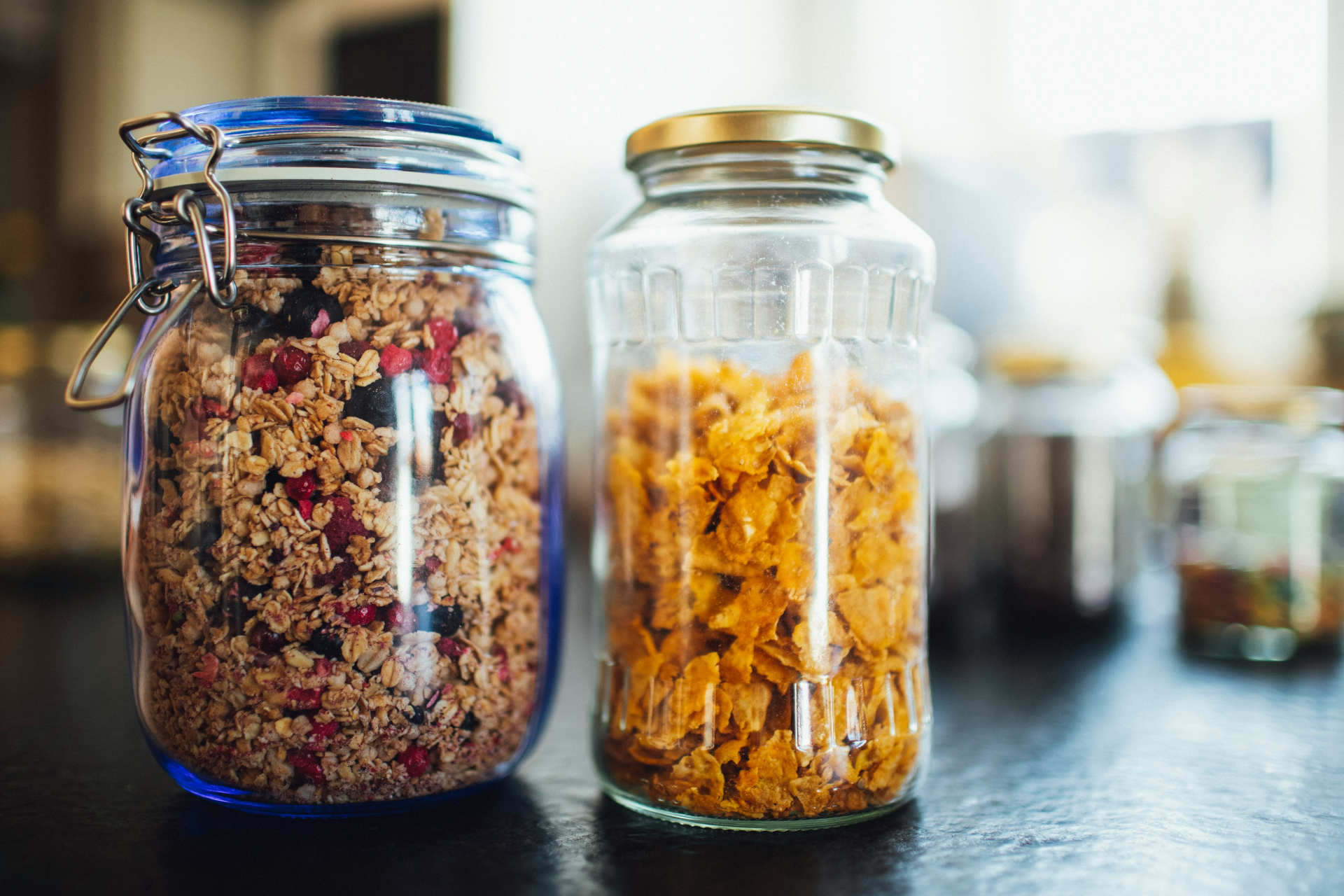
Breakfast is another area where hotels can reduce single-use plastic significantly
and visibly. Individually packaged jams, butter portions, plastic cutlery,
and wrapped bakery items can usually be replaced with reusable or bulk solutions
without affecting hygiene standards.
Clear labeling, proper portion control, and staff training are essential.
Guests tend to appreciate visible sustainability efforts in food service,
especially when implemented neatly and professionally.
For detailed guidance, see our page on
plastic-free hotel breakfast and food service.
Step 4: Work with Suppliers to Reduce Plastic Packaging
Supplier choices play a major role when hotels reduce single-use plastic in back-of-house
operations. Consolidating deliveries, requesting minimal packaging, and choosing suppliers
who offer refill systems or returnable containers can significantly reduce total waste volume.
Hotels do not need to switch all suppliers at once — gradual adjustments
negotiated over time often deliver better and more sustainable long-term results.
For a full operational overview, see our guide to
plastic-free hotel operations and back-office practices.
Step 5: Train Staff and Standardize Procedures
Sustainability initiatives fail when they rely on individual effort rather than
clear, documented procedures. When hotels reduce single-use plastic successfully,
it is because housekeeping, breakfast staff, and maintenance teams all know
exactly how refill systems work, how supplies are stored, and how often checks are required.
Standardization ensures consistency across shifts and prevents hygiene or quality concerns
from undermining guest confidence in the changes.
Step 6: Communicate Simply and Honestly with Guests
Guest communication should be brief, transparent, and non-judgmental.
A small card in the room explaining why plastic has been reduced is usually sufficient.
Avoid overwhelming guests with rules or requests — when sustainability is presented
as part of the hotel’s standard, it is more likely to be understood and appreciated.
For practical communication templates and approaches, see our guide on
plastic-free guest communication.
Step 7: Use a Checklist to Track Progress
The most reliable way to ensure that efforts to reduce single-use plastic in hotels
are systematic and complete is to work from a structured checklist.
A room-by-room audit covers bathrooms, guest rooms, breakfast service, bar and restaurant,
housekeeping, and back-office — making it easy to identify what has been done
and what still needs attention.
For a complete reference, see our
plastic-free hotel checklist.
Context Matters: High-Pressure Destinations Set the Standard
In destinations with intense tourism flows, the need for hotels to reduce single-use plastic
is even more urgent. Cities like Venice — where waste is collected by boat,
the lagoon is a fragile closed ecosystem, and millions of visitors arrive every year —
demonstrate what responsible hotel operations look like under real environmental pressure.
For more on this context, see our pages on
plastic-free hotels in Venice and
plastic-free hotels in Italy.
For hospitality standards and traveler expectations in Venice specifically,
Hotels in Venice
provides a useful reference.
Related Practical Guides
The following guides explore specific hotel areas where single-use plastic
can be reduced through realistic operational changes.